


Gravel Bikepacking: Tours, Routes & Bikepacking Holidays
Gravel bikepacking means multi-day adventures on mixed terrain including asphalt, gravel roads and alpine trails – combined with lightweight gear and maximum freedom. At Gravelbike Holidays you’ll find carefully designed bikepacking tours and routes in the Alps and selected regions of Europe, including Epic Routes with stages, elevation profiles and GPX data.
Selected gravel bike hotels are located directly along the routes and offer comfort, secure bike storage and perfect recovery after long days in the saddle. Whether you’re looking to gain some initial experience of bikepacking or want to set out on a challenging, multi-day epic route: here you’ll find planning tips and a selection of bikepacking routes for your next gravel adventure.
The Best Bikepacking Tours & Routes
This section presents the best bikepacking tours and gravel routes you can experience on a gravel bike. All routes are designed as multi-day adventures, combining spectacular landscapes with authentic gravel riding – from alpine passes and gravel tracks to quiet backroads.
Our Epic Routes are fully developed bikepacking experiences with clearly defined stages, elevation gain, distance, and carefully selected gravel bike hotels along the way. This allows you not only to plan your bikepacking trip, but to experience it as a complete, ready-to-book adventure.
Whether in the Dolomites, the Alps, or across borders – here you will find the best bikepacking routes for your next gravel bike adventure.
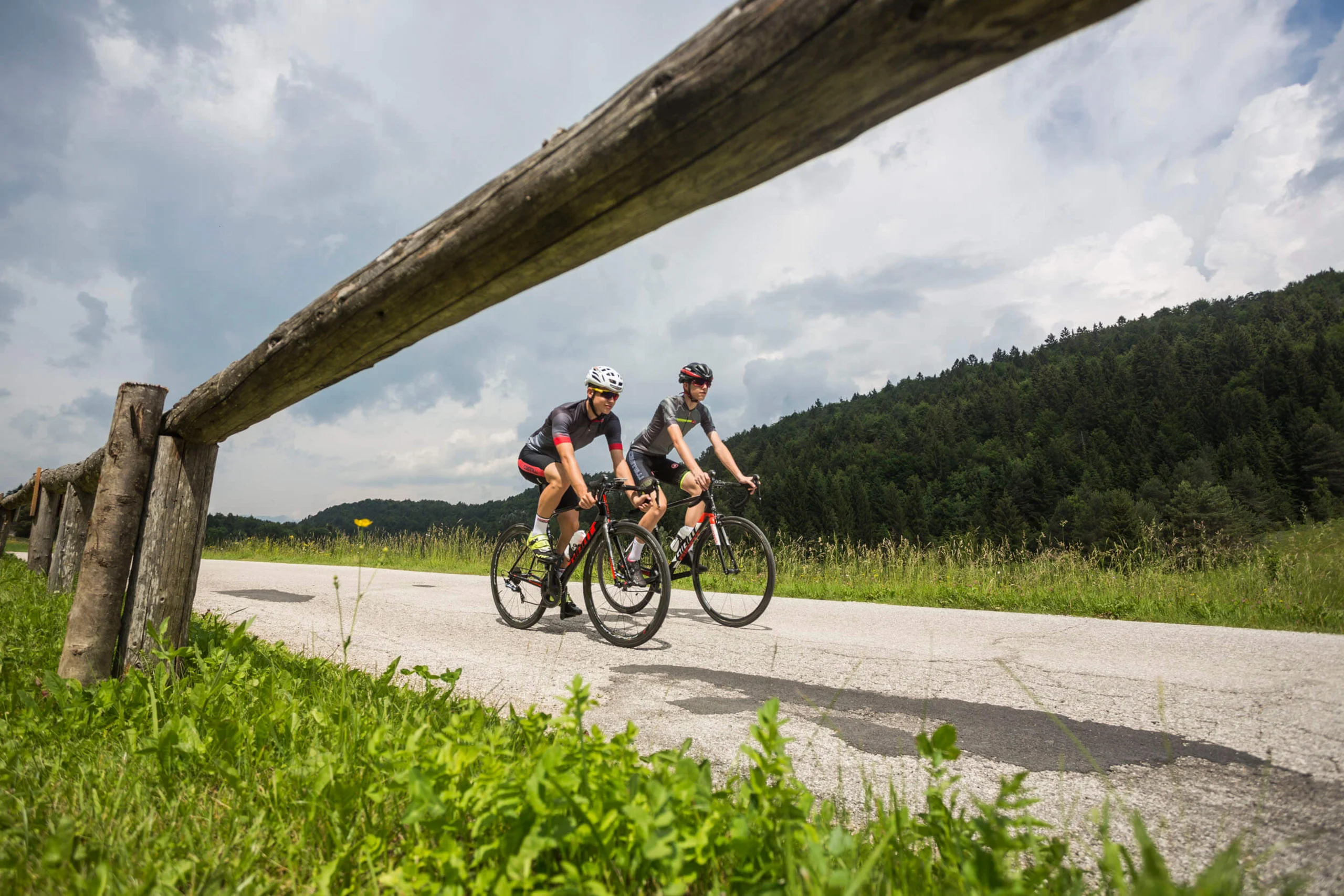


Which bikepacking tour is right for you?
The right gravel bikepacking tour depends on your experience, the number of days you want to ride, the elevation gain and the type of terrain you enjoy. For a first multi-day adventure, choose a route with moderate daily distances and technically easy gravel sections. Experienced gravel riders can take on challenging bikepacking routes with long climbs, mixed-surface terrain and demanding stages through the mountains.
At Gravelbike Holidays, you can compare bikepacking tours and Epic Routes by duration, distance, elevation gain, difficulty and region. Whether you want to ride through the Dolomites and the Alps, explore scenic lake regions or cross borders between Austria and Slovenia, you can find a route that matches your riding style and your next gravel adventure.

- For beginners: Bikepacking routes with moderate daily distances, less elevation gain and technically easy gravel sections.
- For ambitious gravel riders: Multi-day tours with long stages, plenty of climbing and demanding mountain routes.
- For alpine gravel fans: Bikepacking through the Alps and Dolomites with mountain passes, gravel roads, forest tracks and spectacular alpine scenery.
- For comfort-focused bikepackers: Hotel-to-hotel bikepacking tours that let you ride light and recover in specialised gravel bike hotels after each stage.

Hotel-to-hotel bikepacking: ride light, recover in comfort
A bikepacking holiday does not have to mean carrying a tent, sleeping bag and full camping setup. Hotel-to-hotel bikepacking combines the freedom of a multi-day gravel adventure with the comfort of carefully selected gravel bike hotels. You can travel light during the day and finish each stage with a comfortable bed, secure bike storage and services designed for you and your gravel bike.
The specialised gravel bike hotels at Gravelbike Holidays cater to the needs of gravel riders. Depending on the hotel, services can include secure bike storage, bike washing facilities, tools or workshop support, laundry service, route advice and GPX recommendations, as well as sports-friendly breakfasts, recovery facilities and wellness.
This turns a challenging gravel bikepacking tour into a comfortable cycling holiday: explore gravel roads, forest tracks, mountain passes and new regions during the day, then recover at your hotel and recharge for the next stage.
Hotel-to-hotel bikepacking is ideal for riders who want to explore multi-day gravel routes without carrying a tent, sleeping system and complete camping equipment. Less luggage means a lighter bike and more focus on what really matters: the route, the ride and the experience.
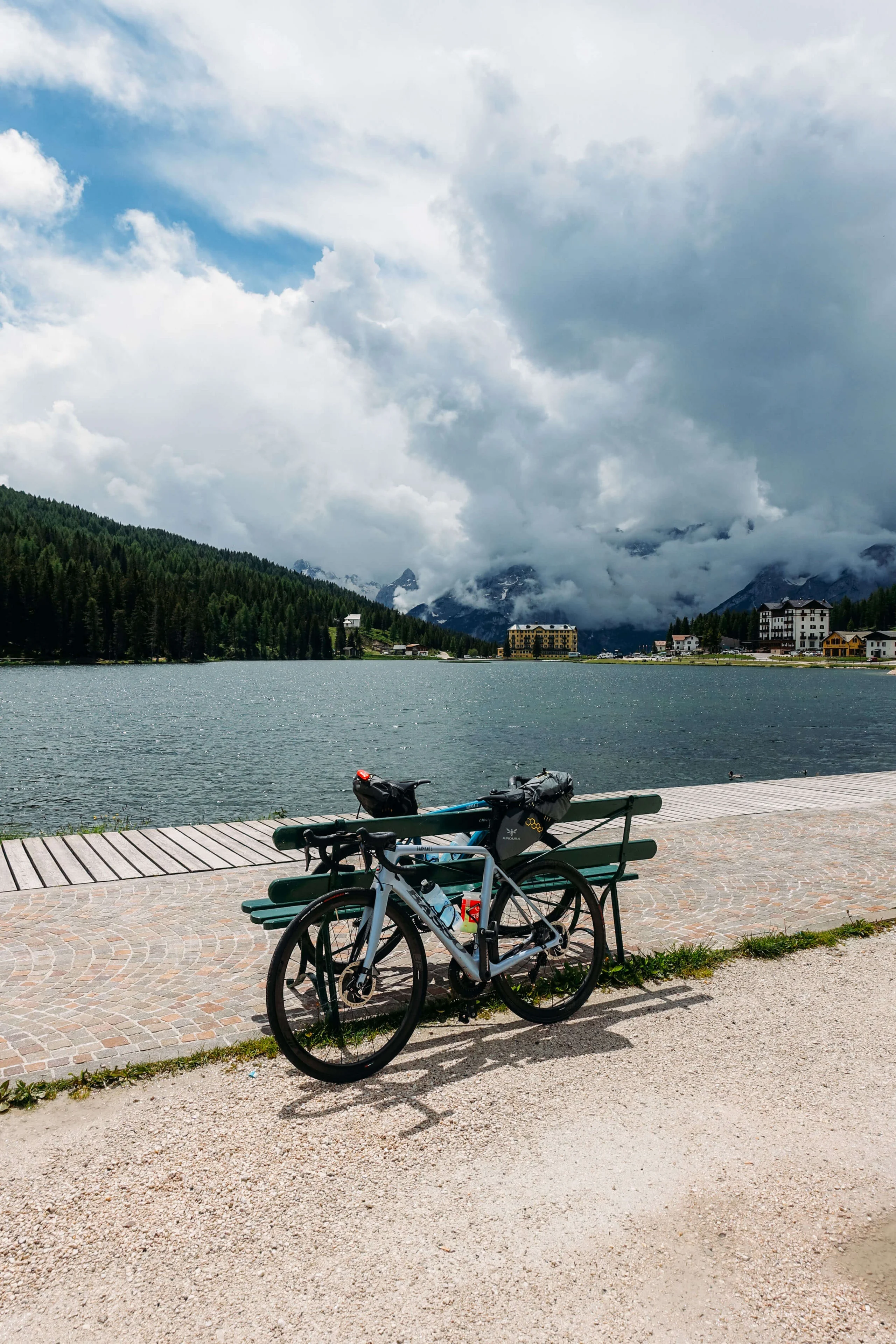
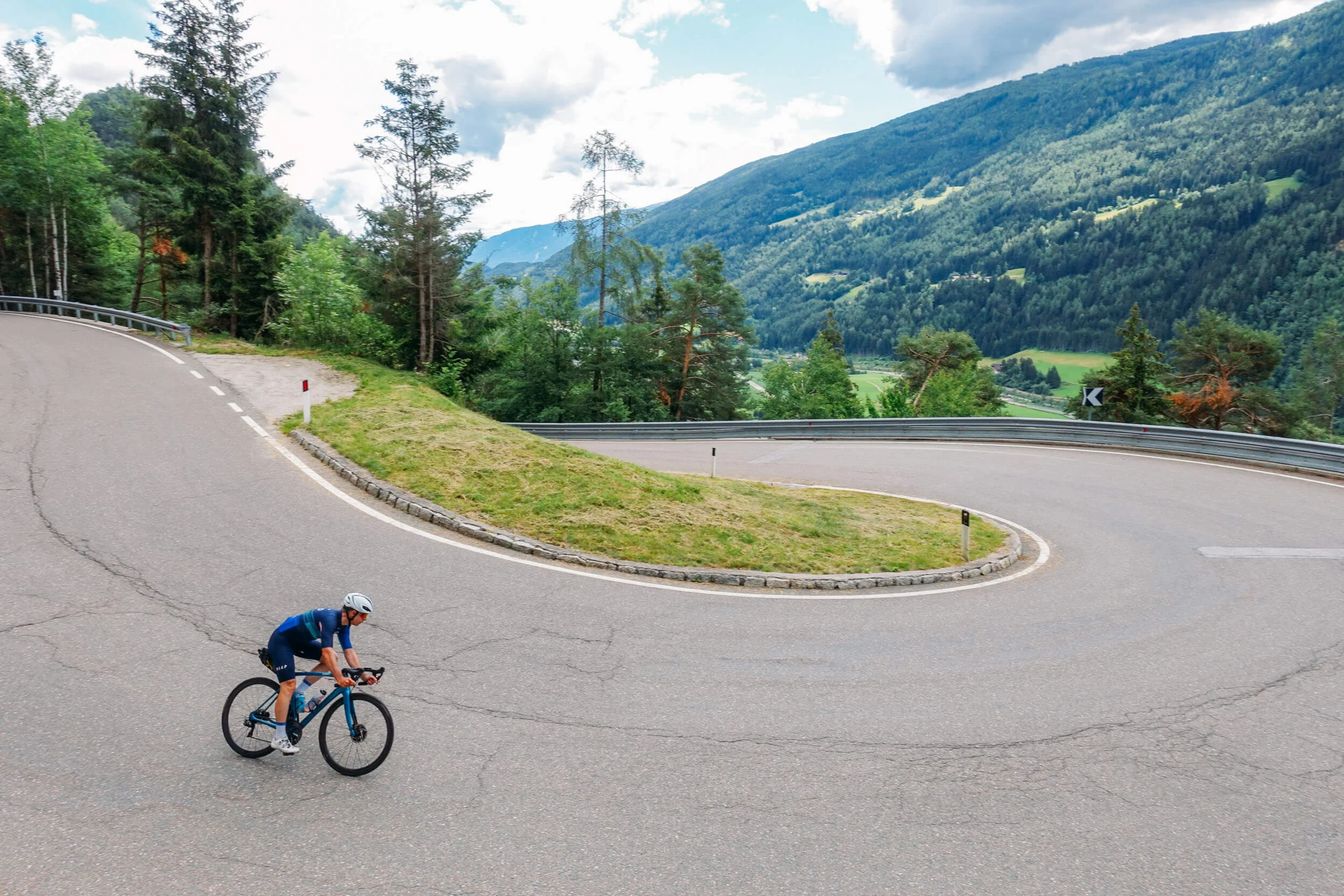
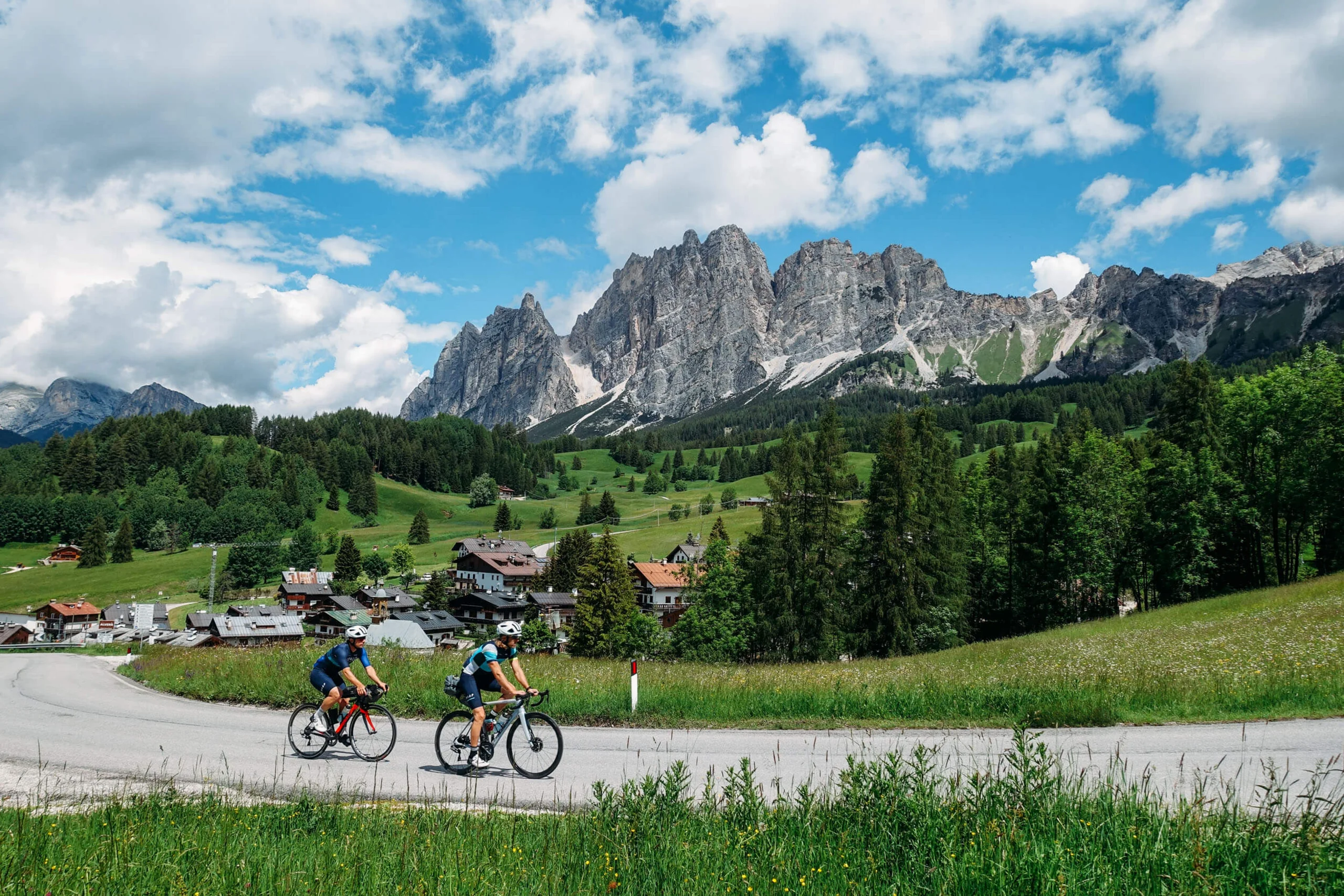
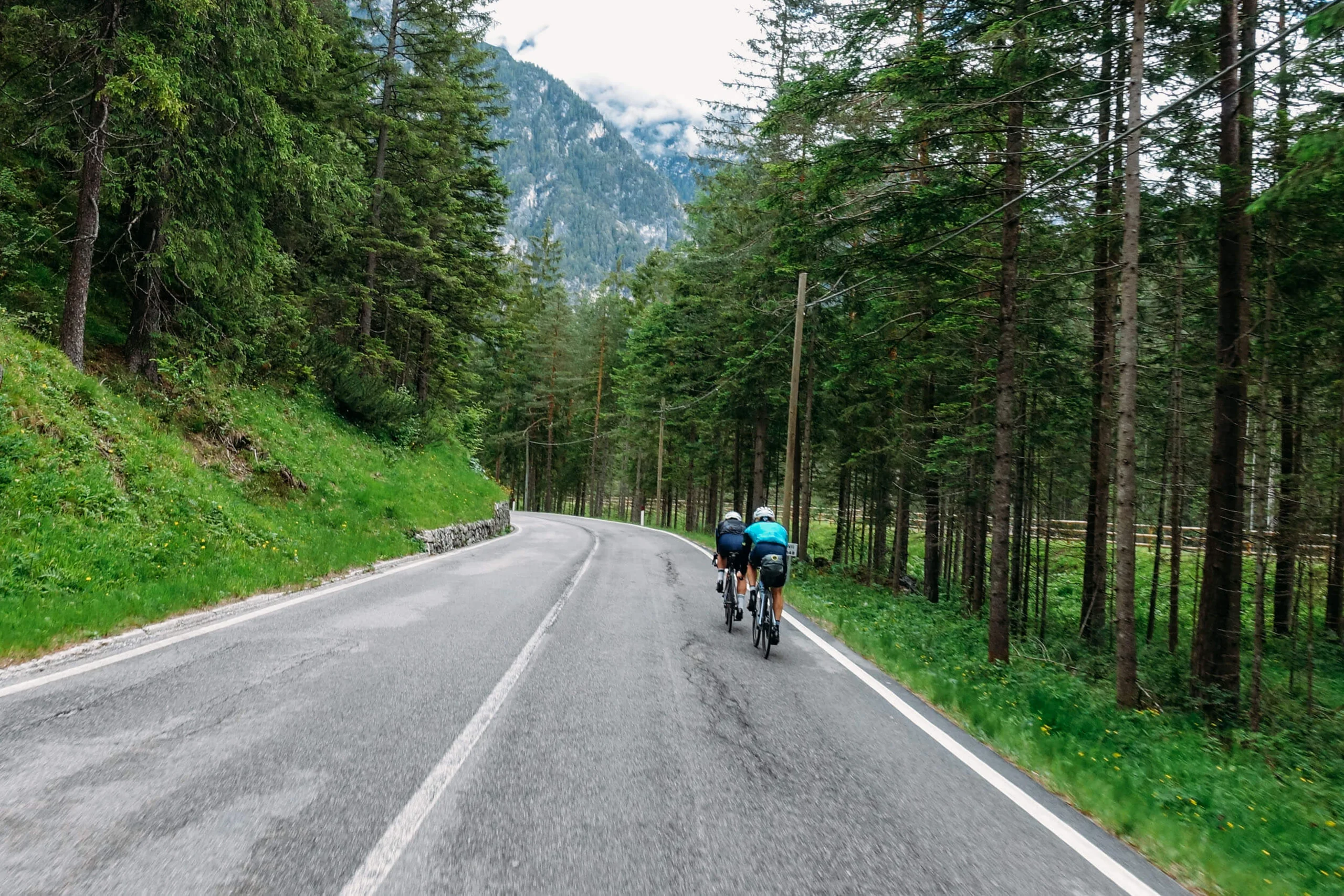
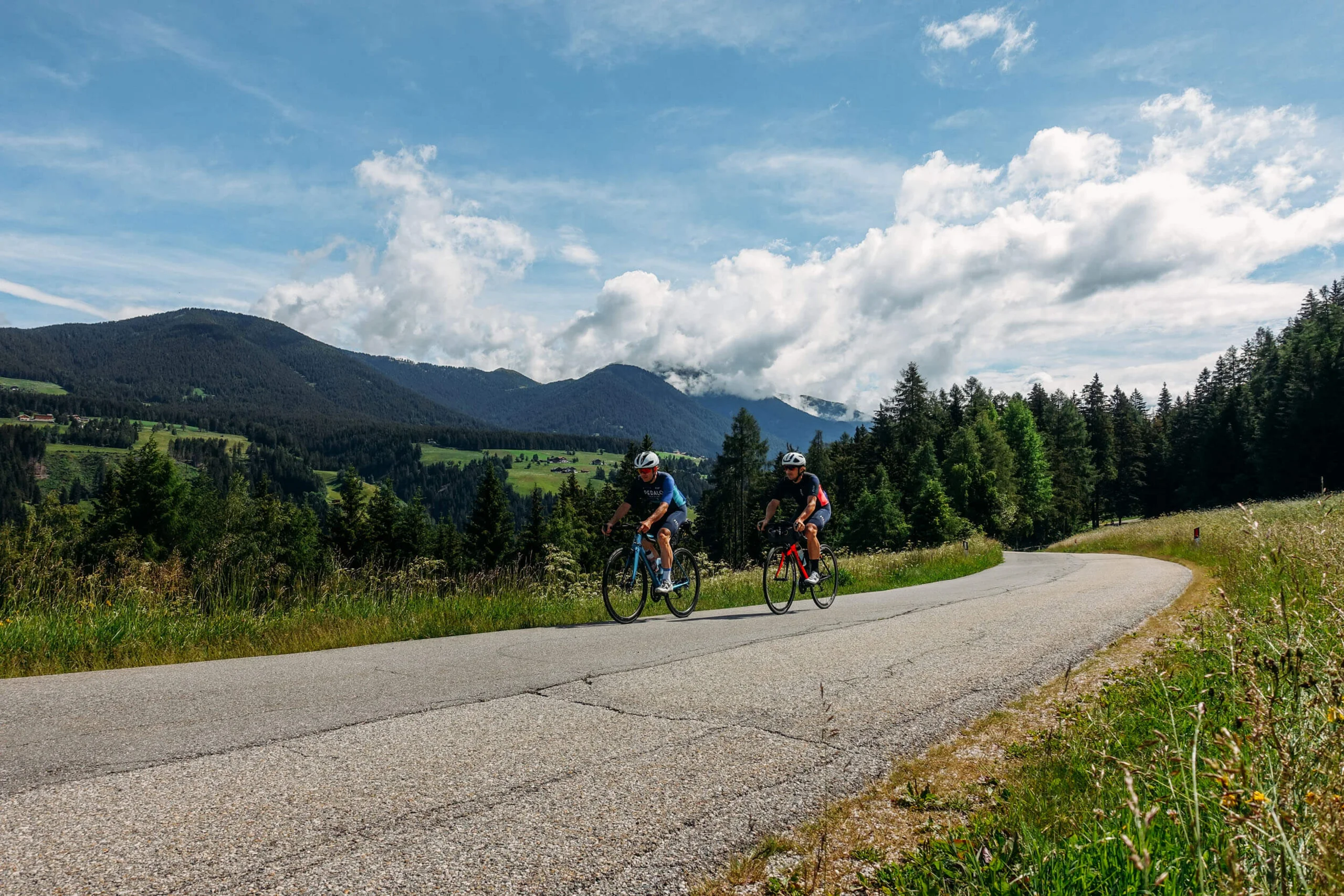
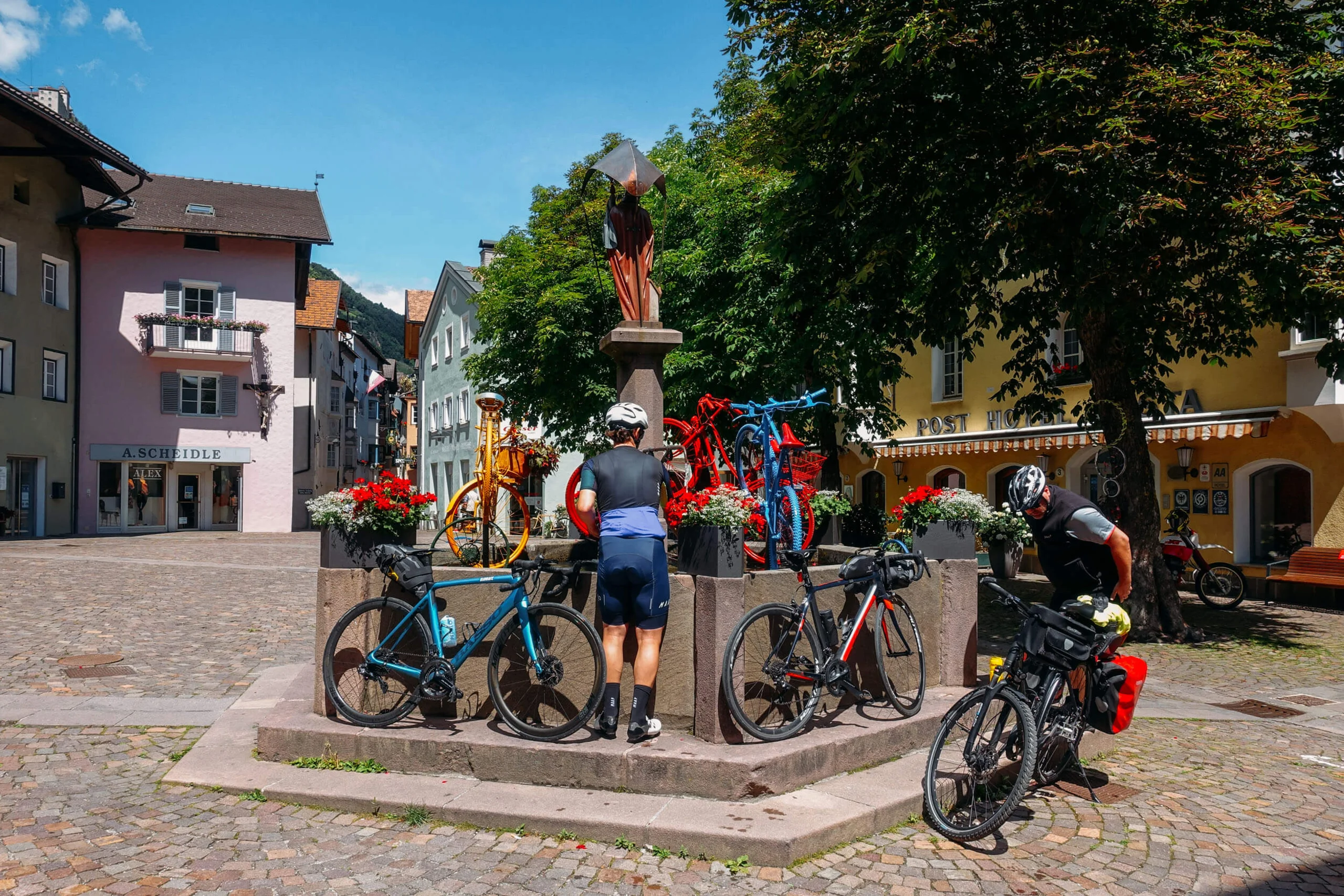
Bikepacking regions for your next gravel adventure
Whether alpine mountain passes, remote gravel tracks or cross-border multi-day routes: the bikepacking regions of Gravelbike Holidays offer diverse routes for gravel riders who want to be on the road for several days.
Austria combines alpine landscapes, forest roads and long gravel stages between mountains and lakes. In the Dolomites and Northern Italy, you’ll find spectacular mountain passes, challenging climbs and impressive high-alpine scenery. Slovenia impresses with a mix of Alps, forests, karst landscapes and quiet backroads. Selected regions in Germany are also ideal for multi-day gravel and bikepacking tours.
Many destinations can be perfectly combined with hotel-to-hotel bikepacking. This allows you to link multi-day gravel bike routes with specialised gravel bike hotels, GPX tracks and dedicated bike services.

Bikepacking tips for beginners
- Start with shorter weekend tours to gain experience.
- Plan your route carefully and take rest and accommodation options into account.
- Test your equipment on shorter routes before the big tour.

The right bikepacking equipment
Well-thought-out kit enhances comfort, safety and riding enjoyment. When it comes to bikepacking, the basic rule is: as little as possible, as much as necessary.
- Bikepacking bags: Frame, saddle and handlebar bags ensure optimum weight distribution.
- Packing list: Minimalist, but complete - from clothing and power snacks to important utensils for your bike adventures.
- Navigation & technology: GPS devices, offline maps, smartphone apps and battery packs for the road.
- Tools & spare parts: Always have puncture protection, multitools and important spare parts with you.
